Namaste, Dear Music Lover,
Please note: We have slightly modified the look of Google Translation for this blog-site! The goal was to solidify and simplify language selection. The language selection widget with flags as buttons was removed by Google.
Dear Music Lover, you will need to select your Language Preference from the full list. English is the default, because it’s my web team’s primary language. That’s how it works now, and the old way was about to expire and stop working from flag images on 1 October, 2026–so we were required to go with the new paradigm! (The new version is installed, and it is what it is now.)
We apologise for any inconvenience! Continuing with this post from roughly a month or so prior…
We recently queried Google AI on the state of linguistic tool Google Translate; why it seems stagnant on the Hindi and Bengali languages.
The very swift response was/is, “…that’s actively being improved, but the specific updates [we asked for]—like Bengali pronunciation audio and seamless cross-script transliteration—are limited by technical constraints and data availability.” [1, 2, 3, 4]

“While it may seem stagnant from a user interface perspective, Google has heavily shifted its focus toward backend artificial intelligence, recently rolling out massive Gemini-powered updates to handle context-aware live conversations in 70 languages.” [and we here are very happy to offer several dozen real-time translations of AntaraMitra.com …courtesy of Google Translate—which we have done with AM’s blessing for several years, and zero AI!}. [1, 2, 3]”
(The specific features we mentioned face distinct roadblocks, alongside complex and/or uncertain workarounds for even beginning to use them.)
We at AntaraMitra.com are not criticising or comparing merits of this (Alphabet’s/Google’s Gemini) or that (e.g., Open AI’s ChatGPT) as an AI, virtual, or other real language tool or software suite. We are simply neutral in all such cases. We support all communication and learning methods and mechanisms.
Nevertheless, Google AI explained their reasoning, thusly—in the most basic sense:
’You do you!’

- Bengali Pronunciation Audio: Text-to-speech (TTS) engines require massive datasets of high-quality, phonetically balanced voice recordings. Because Bengali has multiple strong regional dialects and complex phonetic blending (conjunct consonants), building a natural-sounding, automated TTS engine is incredibly difficult. Google prioritized Text-to-Speech for higher-traffic commercial languages first. [1]
- Transliteration (Script to Script): Transliteration (e.g., writing Hindi or Bengali sounds using the English/Latin alphabet) is highly colloquial and lacks a standardised global rulebook. For instance, the Hindi word “नमस्ते” might be written by one person as Namaste and another as Namastay. Google’s translation models are trained to convert meaning rather than phonetics, which is why they prioritize converting script-to-script (Devanagari to Latin characters) rather than providing a phonetic-to-phonetic reading for cross-translations.[1, 2, 3]
[We’ve added graphics for emphasis here.
Why do some very-popular languages tend to be improved at markedly slower rates than the very top-few? No AI explanation was offered for that. It’s semi-obvious to us: Big tech focuses R&D on their most-likely-to-turn-profits options.]

“If you need these specific features, you can use alternative tools within the Google ecosystem:
- For Transliteration: You can use the dedicated Google Input Tools Transliteration feature. When you type phonetically in English script (like “Namaste”), it automatically converts it into the proper Hindi or Bengali script, which you can then paste into Translate.[1, 2]
- For Bengali Audio: While Google Translate’s native web audio for Bengali is limited, the Google Cloud Text-to-Speech API has advanced AI models specifically for Bengali voice synthesis. Third-party applications built on this API often provide much cleaner audio.[1]”
Then Google AI wrapped up its detailed responses to our asks with this bullet-pointed paragraph (italics added):
“If you are using Translate for a specific project, let [us] know if you are working on • a mobile device or desktop, and if you need this primarily for • learning pronunciation quick messaging. [We] can point you toward the best secondary apps!”
(Lol, we’re duly convinced that you, a robust AI-powered LLM, can point us to nearly whatever we can imagine (if it’s already discussed or deployed online).
By the way, any great search engine:
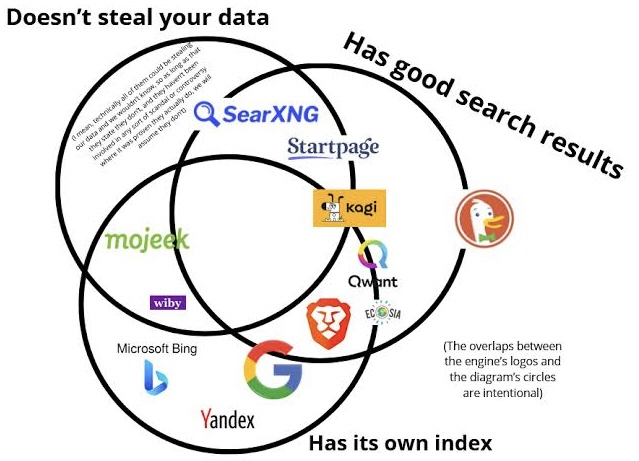
One aspect of giant tech companies is their insular, commercial profit-driven structure: they’re geared toward making their customers richer (often only in intellectual terms), not necessarily better informed, more responsible, or better prepared to cope with the next paradigm shift (before it’s arrived).
So this post may not reach you feeling “heard” or “seen” by big tech. Maybe you feel tracked/exploited? That’s all right; take hope. We at AntaraMitra.com aren’t here to dictate to you or them a) what or how to feel about your experiences, and b) what are your ideal decisions. (Sanskrit, Hindi and Bengali survived for millennia in all—prior to Google Translate having a few goes at them.) Auto–translation is seldom perfection!
Nevertheless, we suggest that while freely available online resources may inform and boost your aptitude and knowledge significantly, there is “a very specific cost” in using “free” search engines. The phrase including “very specific” echoes the key concept specificity (as in skilled music composition).
If you want something basic or general, like the “accepted wisdom” on something, by all means you will probably find it quickly via an online search. Not every small thing, but very many things, and often with surprising thoroughness and depth, especially using AI.
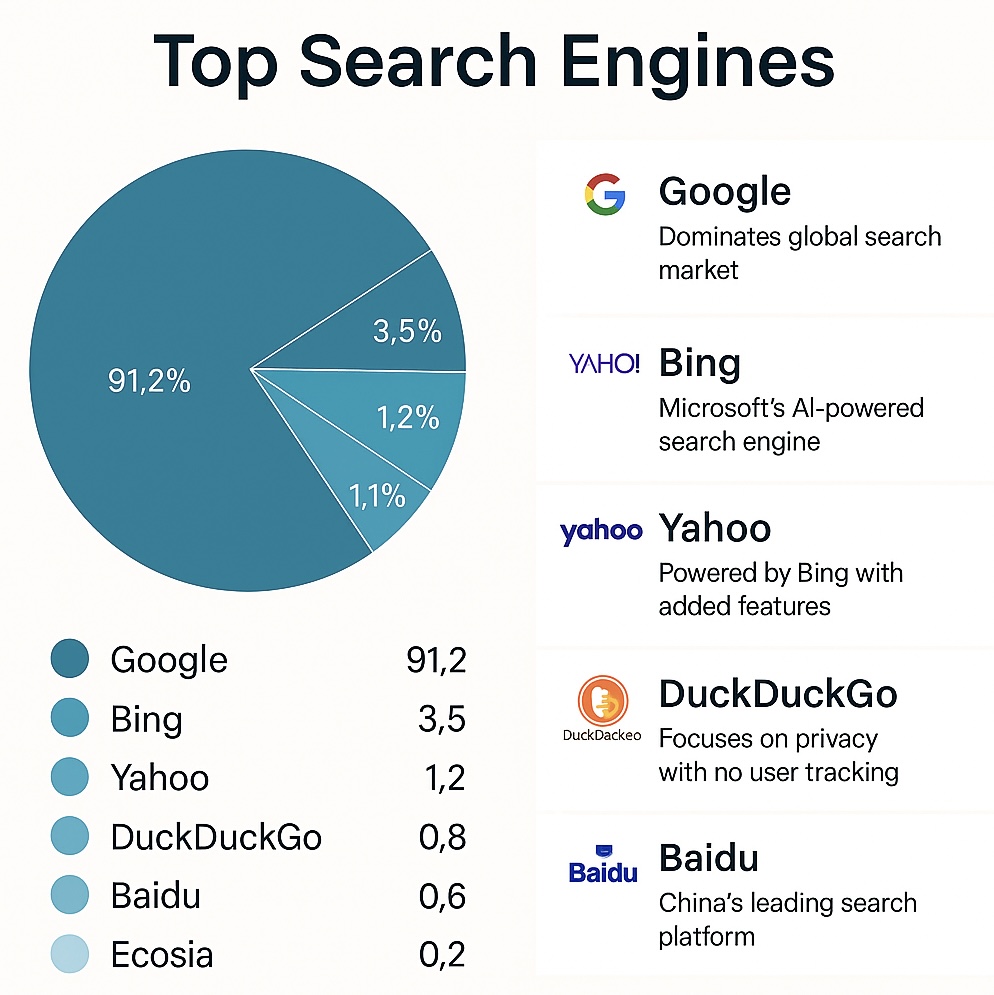
By searching online for very specific things, Dear Music Lover, please be aware that one of the most pertinent and pervasive (and maybe a bit perverse) aspects of searching online is that simply by doing so, you’re detailing your interests to the engine’s owners, and maybe ideas of what you may be seeking to buy, or what organisations you might want to join.
Then they can monetise your simple (or complex) searches, by selling your search keywords (and maybe your private data?) as part of a database of “people between age X and Y looking for gender-neutral clothes” (for one example). Privacy? Ha! Not so much.
The most expedient way to prove or disprove a theory or possible scenario/set of choices is to pose it/them to a great search engine and/or AI LLM (large language model, aka “body of knowledge”) to read the results. Often, using the general form of a topic or problem to set the scope, then drilling down into details to sort out any lingering sticky issues or confusion.
In my footman/tech expert Joe’s experience, framing the larger context in some initial searches often produces more useful information—if we first sort through the topic‘s “conventional wisdom,” and second dig deeper to learn what are the most-likely or -recent conclusions.
Powerful, fast online searches have been “a thing” (one freely available to humans) for a few years more than a quarter–century already. In the history of computer science, handling and presenting human knowledge (or what we think it is) as easily accessible data, is not only a rather recent occurrence, it’s still very much a wide-open process, one that has yet to succumb to pat analyses (or tidy if not terse explanations on blog-sites like ours).
So we’ll conclude this post with a simple suggestion: Use free tools at your ready availability to learn and to better yourself, and don’t allow the sheer volume of available data to substitute for actual wisdom and mastery of any art or science.
Tools (like search engines) aren’t finished work, they’re partial means to your goals. Also: as you improve, so should your goals also be raised higher (in reachable steps).

The latter struggles are what distinguish dilettantes from real artists and scientists. Anyone wanting to dabble in the arts can sing a song or two, and may occasionally even sound semi-convincing. Being able to dance a few moves doesn’t confer the description upon anyone of “great dancer” any more than people showing their ability to lip sync to a few hit songs, imitating actors who in turn imitate playback singers makes them “great singers.” (Familiar territory!)
Wanting to achieve real competence and skills like we’ve seen on televised reality TV performances can take several years of intense preparation and perseverance. Never give up! Always keep learning and improving. No one can do it for you, no matter how synthetically perfect or physically capable they are!
Have we convinced you of the inanity of simulated dance or music? Yes, robots can dance (and some, far more skilfully than previously imagined), to be sure. That will never make a robot the artistic-dancer equal of Madhuri Dixit–Nene! No machine could ever equal the emotional depth of a dedicated professional artist, actor, dancer, musician—or scientist, for that matter. (We won’t belabour the issues of amateur or AI-generated “singers” here! IYKYK.)

At some point, it’s precisely a simple fact that bears repeating: there’s no truly convincing substitute for human artistic expression. This, we hope to convey emphatically to you, Dear Music Lover, is why each of us is alive: to realise at least some semblance of personal autonomy and achievement in this all-too-brief life!
May all (or most) of your searches bear useful results, and may your self-esteem be fully independent from what you happen to see (and/or hear) from your searching.
Just remember the original admonition that (from the very inception of the data-driven ecosystem to the then-only-hardly-imagined highly digitally-based “future” in which we all currently live) pretty much summed up early computing wisdom, and remains valid:
Garbage in, garbage out.
That timeless/newly-timely aphorism still has even the unprecedented data-driven, globally-interconnected cybernetic ecosystem on notice: if your search seeks the bad stuff, then you’ll find it. However, the most obvious corollary is surely also part of the landscape…
If you’re looking for self–improvement and how to make a positive impact upon others’ lives, you’ll surely find ample opportunities to tarry, dwell in, and/or to contribute valid points in some online spaces featuring precisely or perhaps proximately your most desired topics and trajectories. More on this after my online forum about Bollywood songs goes live—we hope!
Rather than belabour the current theme of seeking and finding (with monumental/growing power, thanks to AI tools), we wish you well on your paths and hope that AntaraMitra.com finds you well-poised to tackle your tasks with the most useful approaches you can find! If you’re looking for help with your Bengali writing, check out our Bengali writing tools page here.
Just remember: Rome/the Taj Mahal was not built in a day. Already my web site is over a decade old/strong, and it’s still far from what we’ve envisioned it fully becoming—in order to be of some value to us all.
In conclusion:
Whenever you’re doing your web searches and AI chatting or prompting per the appropriate local vernacular and language, Dear Music Lover, we encourage you to be wise, lighthearted and kind. {None of those costs a paise (.01 rupee)!}
It’s also wise to temper expectations by understanding the limitations of asking a computer program about something it has little or no data about (e.g., one’s personal medical history), and perhaps make use of the following common sense rules that I endorse and recommend to family and friends alike:
10 Smart Things to DO
- Set daily goals. Write down three main tasks each morning.
- Track your spending. Use an app to monitor your cash flow.
- Read books regularly. Dedicate 15 minutes a day to learning. 30=better.
- Exercise your body. Walk, run, or lift weights consistently, safely.
- Network with peers. Connect with professionals in your field.
- Save money early. Automatically route a portion of income to savings.
- Sleep eight hours. Prioritize rest to keep your mind sharp.
- Back up data. Keep cloud and hardware copies of files.
- Practice active listening. Focus entirely when someone else is speaking.
- Learn to say no. Protect your time from unnecessary commitments.
10 Not-Smart Things to AVOID
- Procrastinating on tasks. Delaying work creates unnecessary last-minute panic.
- Overspending on credit. Carrying a balance incurs high interest charges.
- Skipping breakfast daily. Missing early nutrients lowers your morning energy.
- Ignoring health symptoms. Delaying doctor visits can worsen minor or severe issues.
- Gossiping at work. Sharing rumours or gossip damages your professional reputation.
- Multitasking critical work. Splitting focus lowers the quality of output.
- Staying up late. Sacrificing sleep ruins your next day’s productivity.
- Pleasing everyone else. Burning out to satisfy others hurts you.
- Forgetting your passwords. Reusing weak passwords risks your digital security.
- Reacting in anger. Sending immediate, angry replies causes permanent regrets.
Do follow your dreams, hold onto your faith and hope, and perhaps offer some charity to worthy causes/people whom you’re able to help. We know: it’s a lot of expectations to deal with while one’s highest capacities for coping may already be stretched thinly amongst/between one’s immediate needs and greatest aspirations. Life’s challenges are not presented to us to stop us… we face them in order to overcome them and grow into the best versions of ourselves.
Thank you for sharing this journey with us.
পরিশ্রমই সৌভাগ্যের মূল (Diligence is the mother of good luck):This core Bengali proverb—often matched with the English concept “Perseverance is the key to success”—teaches that luck and good fortune are actively created through hard work, not handed out by fate.[1]
Namaste, Dear Music Lover,
♫ AM ♫
